

Living in Survival Mode: How Immigration Stress Impacts Our Mental Health
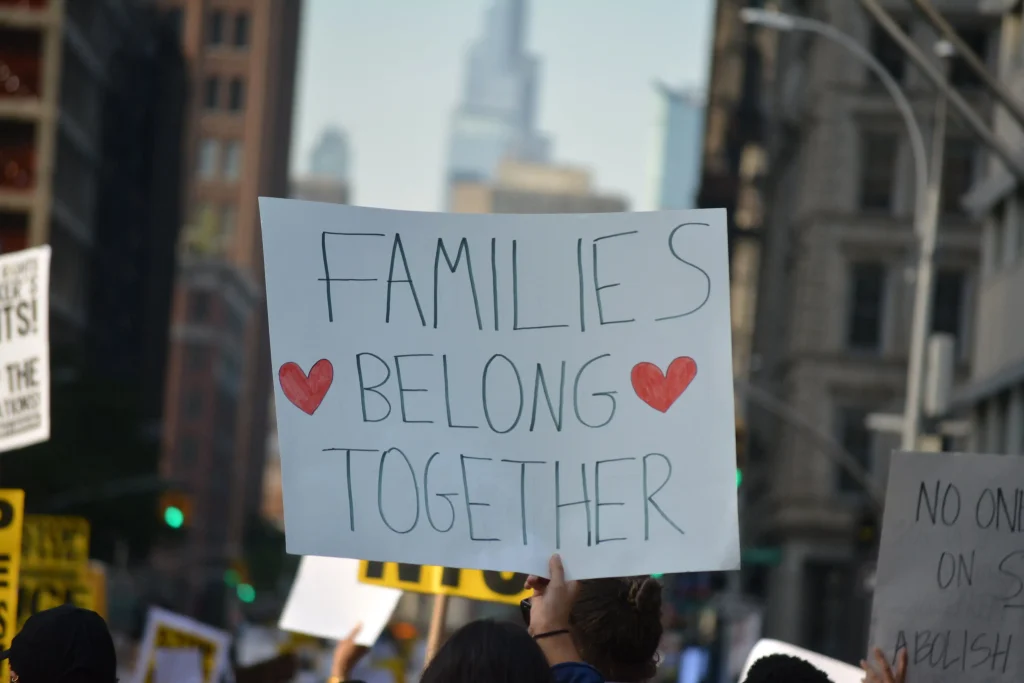
In recent months, increased raids, detentions, and aggressive enforcement in Latinx and mixed-status communities have pushed many into a constant state of survival, whether you’re directly impacted or watching the fear ripple through your neighbor’s home. Many in our comunidad are living in a constant survival state.
Food Stamps Paused? Our Care Doesn’t Stop
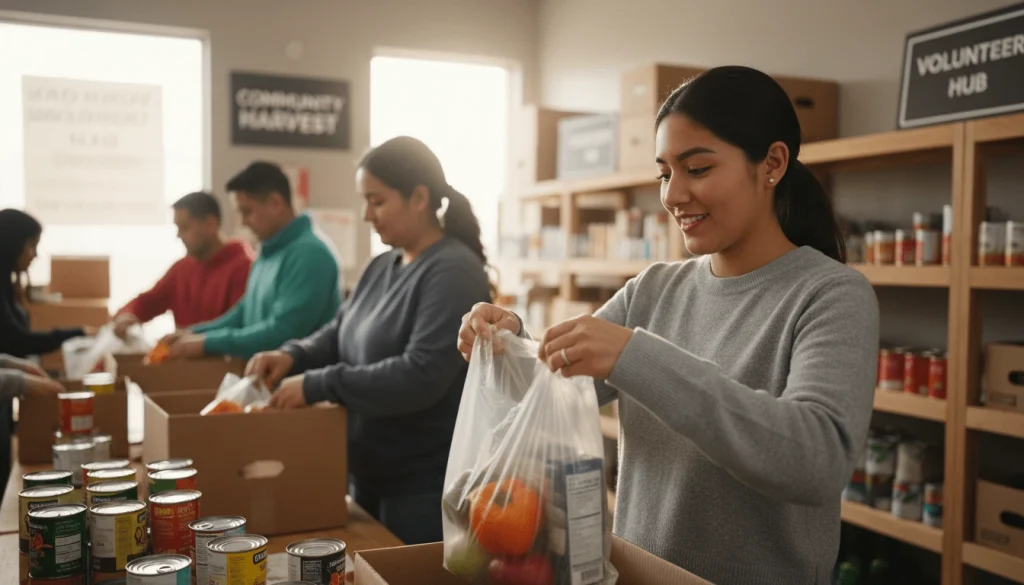
If SNAP or food benefits are paused or delayed, you’re not alone. Many families across Chicago depend on these programs to stay nourished and supported. While the government works through funding challenges, our community continues to step up because care doesn’t stop when benefits do.
Honoring Life, Loss, and Healing: Día de los Muertos Through a Mental Health Lens

Every year, as the vibrant flores de cempasúchil begin to bloom and the scent of pan de muerto fills our homes, many of us in the Latinx community come together to honor one of the most meaningful traditions, Día de los Muertos.
What Is the Vagus Nerve?

If you’ve ever felt your heart race when you’re nervous, your stomach drop when you’re scared, or tears come out of nowhere esa es your vagus nerve doing its thing. The vagus nerve is like a secret messenger between your body and brain, and it plays a big role in how we heal, especially from stress and trauma.
What Is Shadow Work? How Can It Help Me Heal?

We all have parts of ourselves we don’t always want to look at, feelings we hide, thoughts we judge, or past moments we’d rather forget. Shadow work, or shadow integration, is about turning toward those hidden parts with curiosity, not shame. It’s a path to deeper healing and self-acceptance.
What Is Inner Child Healing?

Inside each of us is a younger version of ourselves, the niño who felt joy, fear, confusion, or love. Inner child healing is about connecting with that younger part and giving it what it needed but didn’t always receive: safety, kindness, and care.
What is Generational Trauma?
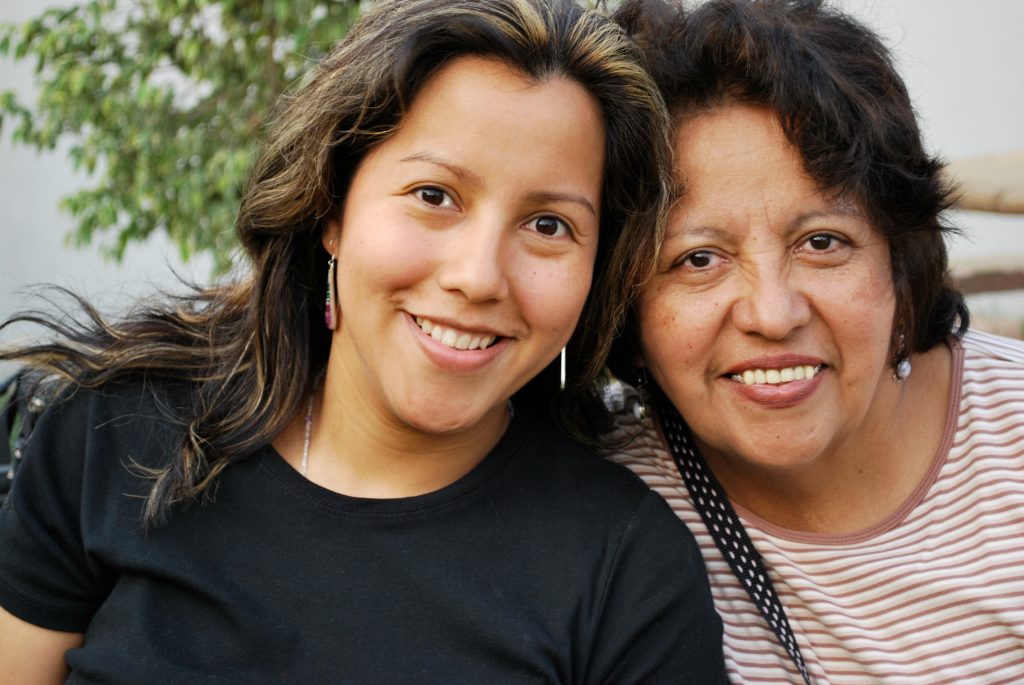
Stories aren’t told out loud, they live in our habits, fears, our nervous systems, and family rules. Generational trauma and beliefs are passed down like family recipes: not always written down, but deeply felt.
What Is Box Breathing? How Can It Help Me Feel Calm?

If you’ve ever felt nervous or anxious, box breathing is a simple exercise that can help you calm down quickly. Many therapists recommend box breathing because it’s easy to do anywhere, anytime.
What Is a Psychological Immigration Evaluation and Why Cultural Sensitivity Matters

If you or someone you love is going through the immigration process, you may have heard about a psychological evaluation. This type of evaluation can support immigration cases like asylum, VAWA, U-visas, or hardship waivers. But what’s just as important as the evaluation itself is how it’s done and that’s where cultural sensitivity matters most.
What Does Decolonizing Mental Health Mean? Why Does It Matter?

Many people are hearing the phrase “decolonizing mental health,” but may not be sure what it really means. Simply put, decolonizing mental health is about making therapy and healing practices more inclusive, respectful, and supportive of people from all backgrounds, especially those whose cultures have been harmed or ignored by traditional mental health systems.