
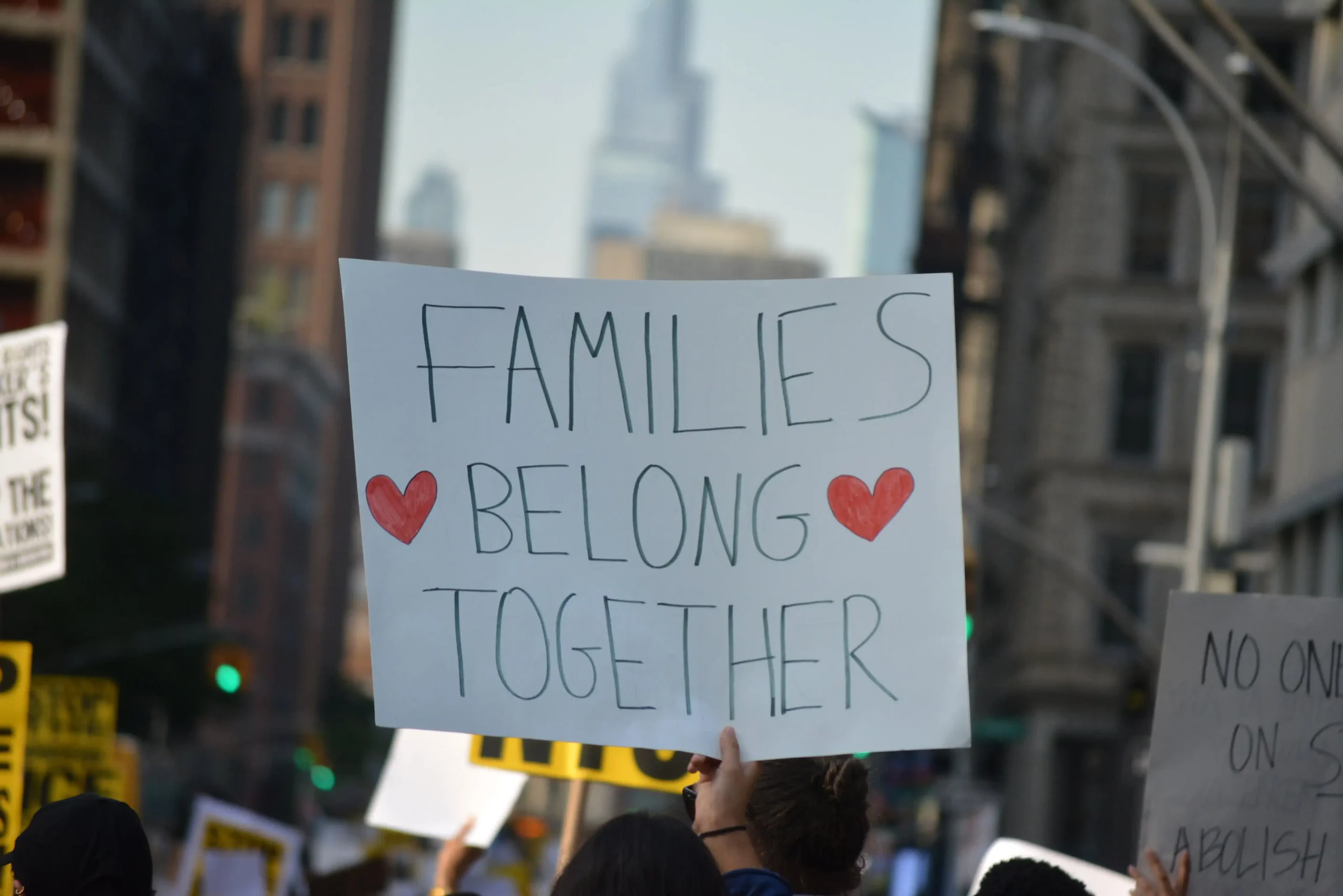
For some, this reality is deeply personal, the fear of a loved one being taken, the unease when the phone rings, the question whispered at the dinner table: “Who’s missing today?” For others, even if not directly impacted by immigration enforcement, the weight is still felt. You may see it in a child’s eyes, in a coworker’s silence, in a neighbor’s absence. The fear and uncertainty that shape our community’s reality ripple outward, reminding us that collective safety is only possible when we all care. These are not just emotions; they are trauma responses, the body’s way of surviving in a world that doesn’t always feel safe.
Understanding What’s Happening in Our Bodies
When our community is repeatedly exposed to fear, like immigration raids, detentions, or the threat of separation our nervous systems remain on high alert. This is called hypervigilance, a common trauma response that keeps our bodies ready for danger even when we’re physically safe. Research and lived experience show that ongoing immigration enforcement is linked to higher rates of anxiety, depression, and PTSD symptoms, not just in individuals directly targeted, but across entire communities. Our children, families, coworkers, and neighbors all feel it.
A 2024 Stanford University study, Latino Mental Health Is Affected by Immigration Controversies, found that increases in immigration enforcement and heightened public attention to immigration issues are associated with greater levels of anxiety and depression among Latino groups — including U.S.-born Latinos. This reinforces what many of us have witnessed for years: that systemic fear impacts the collective wellbeing of our comunidad.That collective sense of being watched, not belonging, or waiting for the next crisis can slowly take away our capacity to rest, connect, and heal.
Recognizing the Patterns in Our Comunidad
We’re seeing these patterns more and more across Latinx and mixed-status families:
- Anxiety — feeling on edge, bracing for the next call or knock on the door.
- Emotional exhaustion — the heavy sadness and fatigue from uncertainty and loss.
- Trauma symptoms — intrusive thoughts, sleepless nights, or shutting down emotionally.
These are not isolated experiences, they’re collective responses to systemic fear and instability. Naming them helps us take back our power and move toward healing.
A Small Tool for Grounding
When we are living in survival mode, our minds may not feel safe enough to rest but our bodies can begin the process of reminding us that we are here, we are alive, and we belong.
Try this quick grounding check-in:
🫁 Notice your breath — is it shallow or tight?
💭 Are your shoulders tense or your jaw clenched?
🫀 Do you feel constantly on alert?
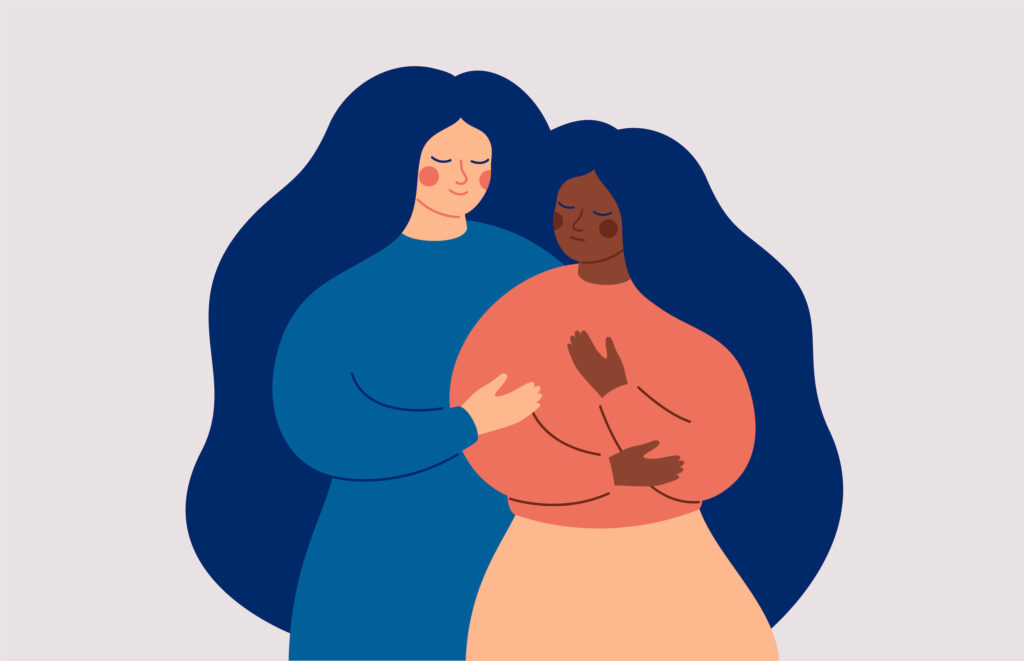
If yes, pause. Place your hand on your chest. Take a slow, deep breath. Exhale and gently remind yourself: I am here. I am safe in this moment. I belong. My feelings are valid.
Healing begins with awareness, and awareness begins with noticing.
Beyond Awareness: A Call to Collective Care
Grounding is one way to reconnect with your body but healing also requires space to process, release, and rebuild. Therapy can be that space.
For many in our comunidad, seeking therapy is not just an act of self-care, it’s an act of resistance and reclamation. It’s choosing to no longer carry generations of fear alone. It’s saying, “I deserve to rest. I deserve to heal.” At Latinx Talk Therapy, we see every day how therapy helps individuals move from survival to connection, from carrying the weight alone, to healing in community.
So as you read this, ask yourself:
- How can I offer myself or others the space to heal?
- Who in my life might benefit from talking to a bilingual, culturally responsive therapist?
- How can I help normalize therapy in my circles as an act of love, not weakness?
Maybe that looks like starting therapy for yourself, referring a loved one, or inviting mental health conversations into your community spaces. Each act of care, no matter how small, helps us break the silence and build collective healing.
If you’re ready to explore therapy or partnership opportunities, learn more at https://latinxtalktherapy.com/training-partnership-opportunities/ Together, we can help our comunidad heal, not just survive.
En solidaridad, Marilyn Rodríguez, LCSW
🧠 Culturally responsive therapy for nuestra comunidad
📍 Latinx Talk Therapy | Chicago